About Pathology Educational Trust

The Pathology Educational Trust is a registered charitable trust established with the primary objective of promoting excellence in pathology education, research, and professional development. The Trust was established on 27 February 2025 and is registered in Puducherry as Document No. 312 of Book 4, dated 27 February 2025.


The Trust is committed to advancing knowledge and fostering academic collaboration among pathologists, laboratory professionals, researchers, medical students, and allied healthcare personnel. It serves as a platform for continuing medical education and scientific exchange through the organization of national and international pathology conferences, Continuing Medical Education (CME) programmes, workshops, seminars, hands-on training sessions, and other academic activities.


The Trust also aims to encourage research, innovation, and the dissemination of evidence-based practices in pathology and laboratory medicine. By bringing together experts from diverse disciplines, it strives to enhance diagnostic standards, strengthen professional competencies, and promote lifelong learning in the field.


Through its educational initiatives, the Pathology Educational Trust seeks to contribute meaningfully to the advancement of pathology and improve the quality of patient care by supporting excellence in laboratory medicine and medical education.

About JIPMER

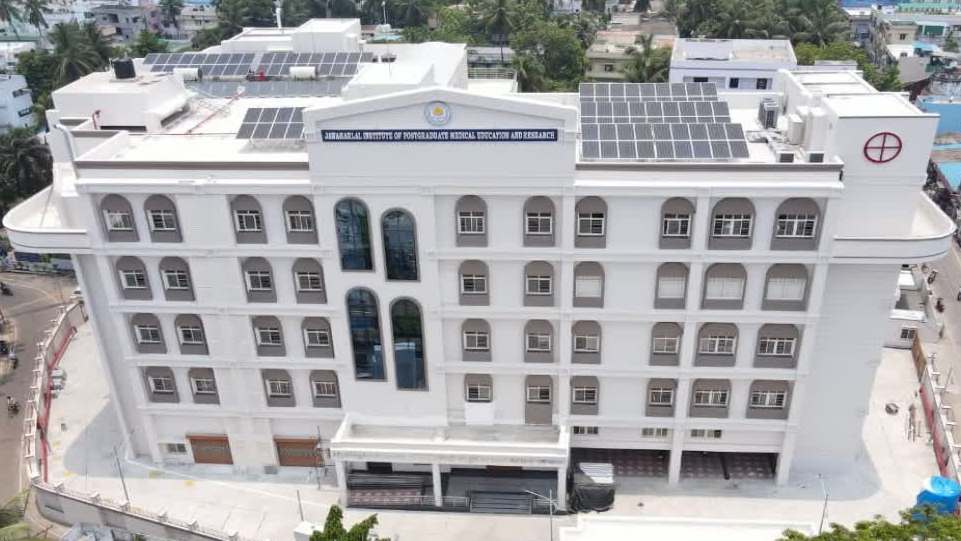
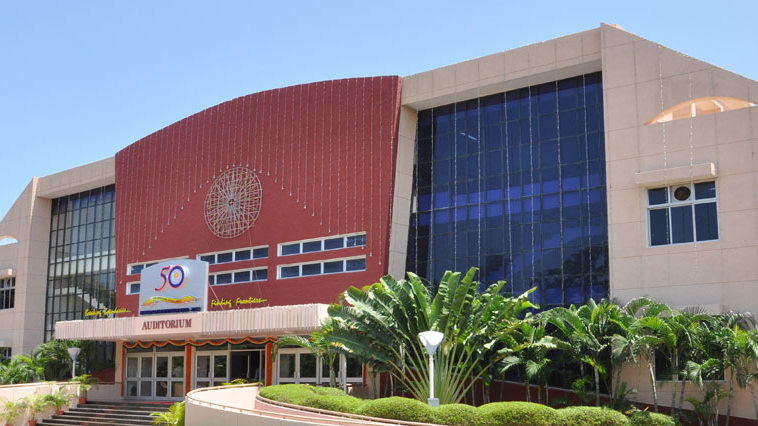
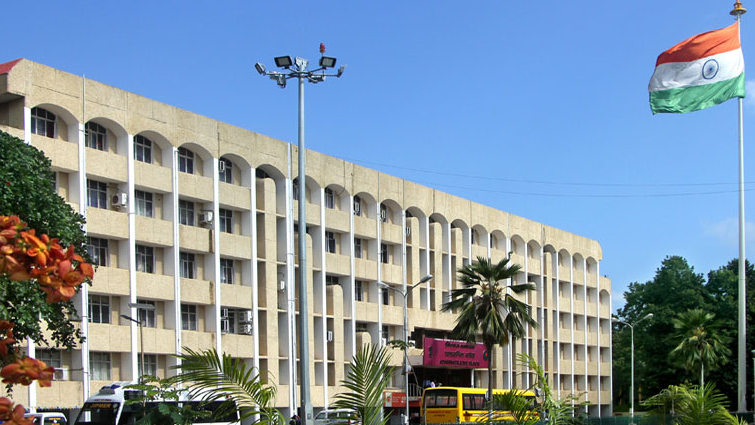
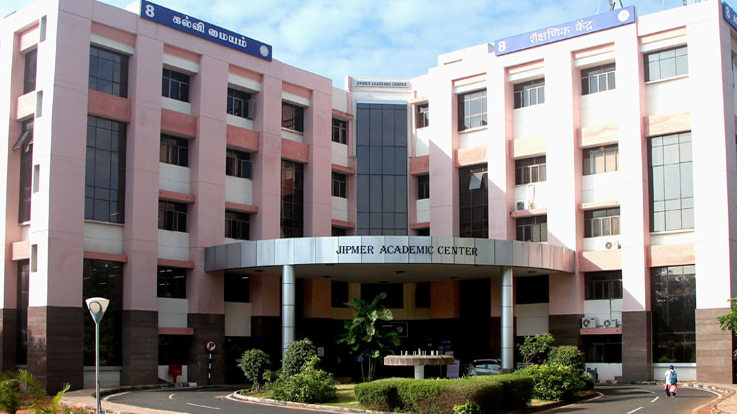
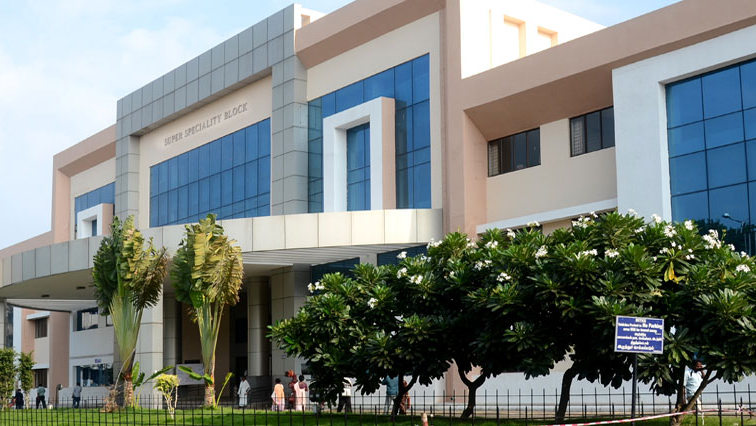
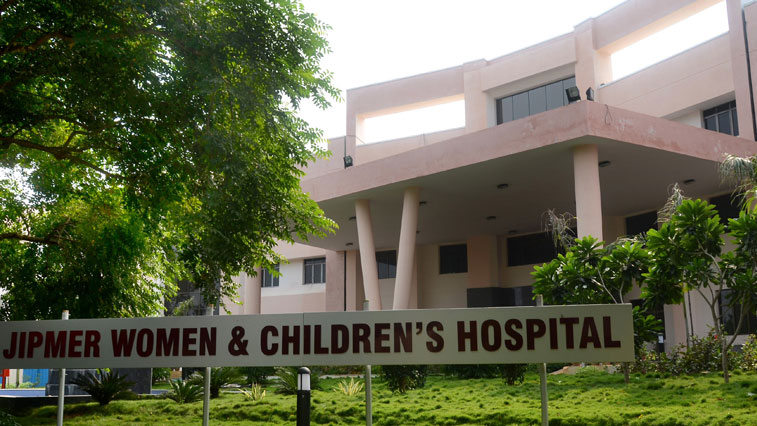
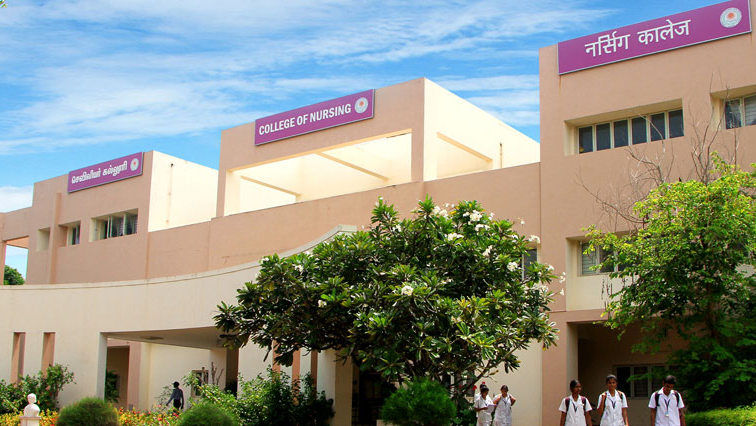
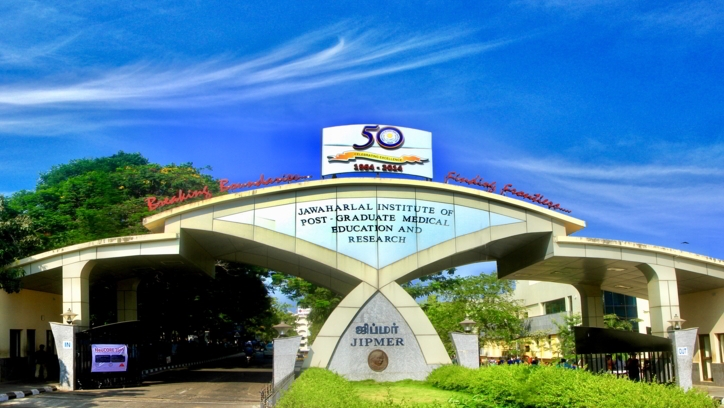
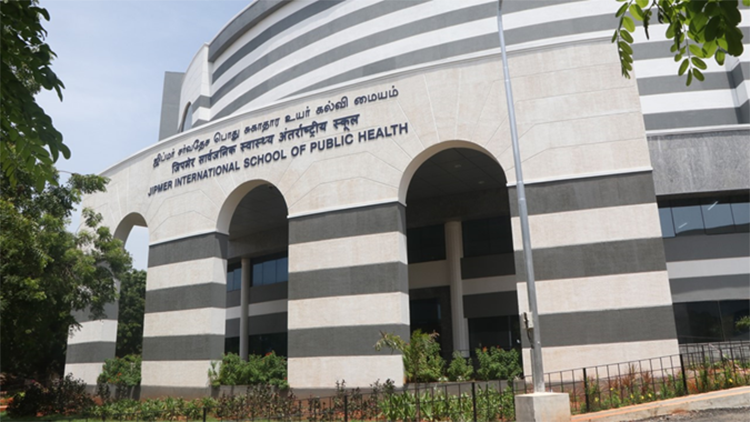
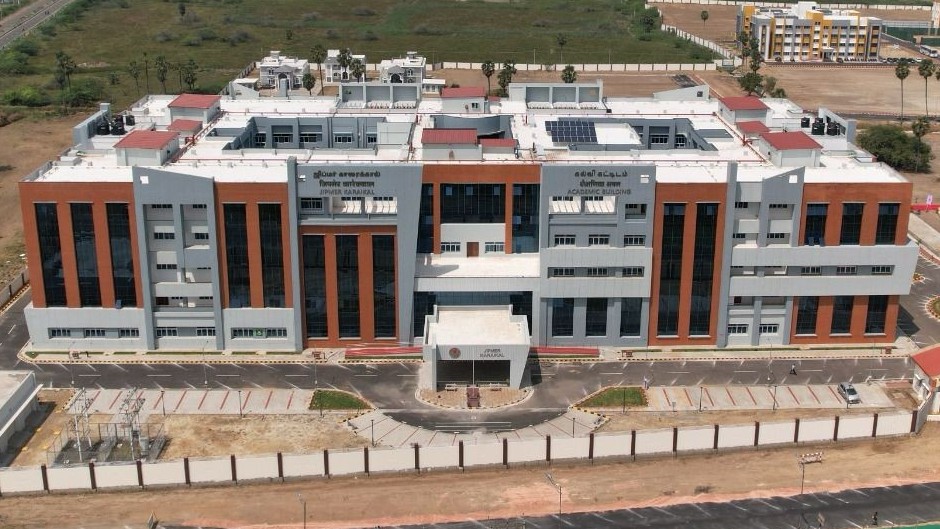
Jawaharlal Institute of Postgraduate Medical Education and Research (JIPMER) can trace its origins to the ‘Ecole de Medicine de Pondicherry’ established by the French Government in 1823. In 1956, the foundation for a new medical college was laid, and in 1964, the hospital was inaugurated. JIPMER became an institution of national importance under the Ministry of Health and Family Welfare, Government of India, in 2008. It is an institution established to teach, conduct research, and provide patient care. JIPMER spreads over 192 acres. The institution houses one administrative block, one academic centre, one nursing college, seven hospital blocks, seven accessory services buildings and four residential complexes. 12 broad types of medical, nursing, and allied health science courses, covering all healthcare disciplines from basic to super-speciality training, are conducted.


JIPMER is one of the very few institutions in the country that provide teaching from the undergraduate to super-speciality & sub-specialities, conduct path-breaking research, and provide speciality care of high order. The model of providing free speciality health care while maintaining quality and safety makes JIPMER unique in the country. JIPMER’s success in providing the best treatment, even to those least able to afford it, makes it a model for the future of speciality care delivery. JIPMER continues to rank among the top five medical schools in the country. JIPMER is witnessing expansion through new campuses.

About Puducherry

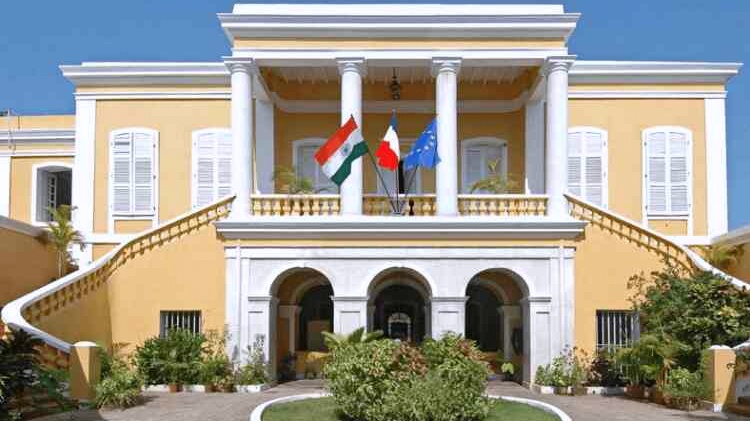
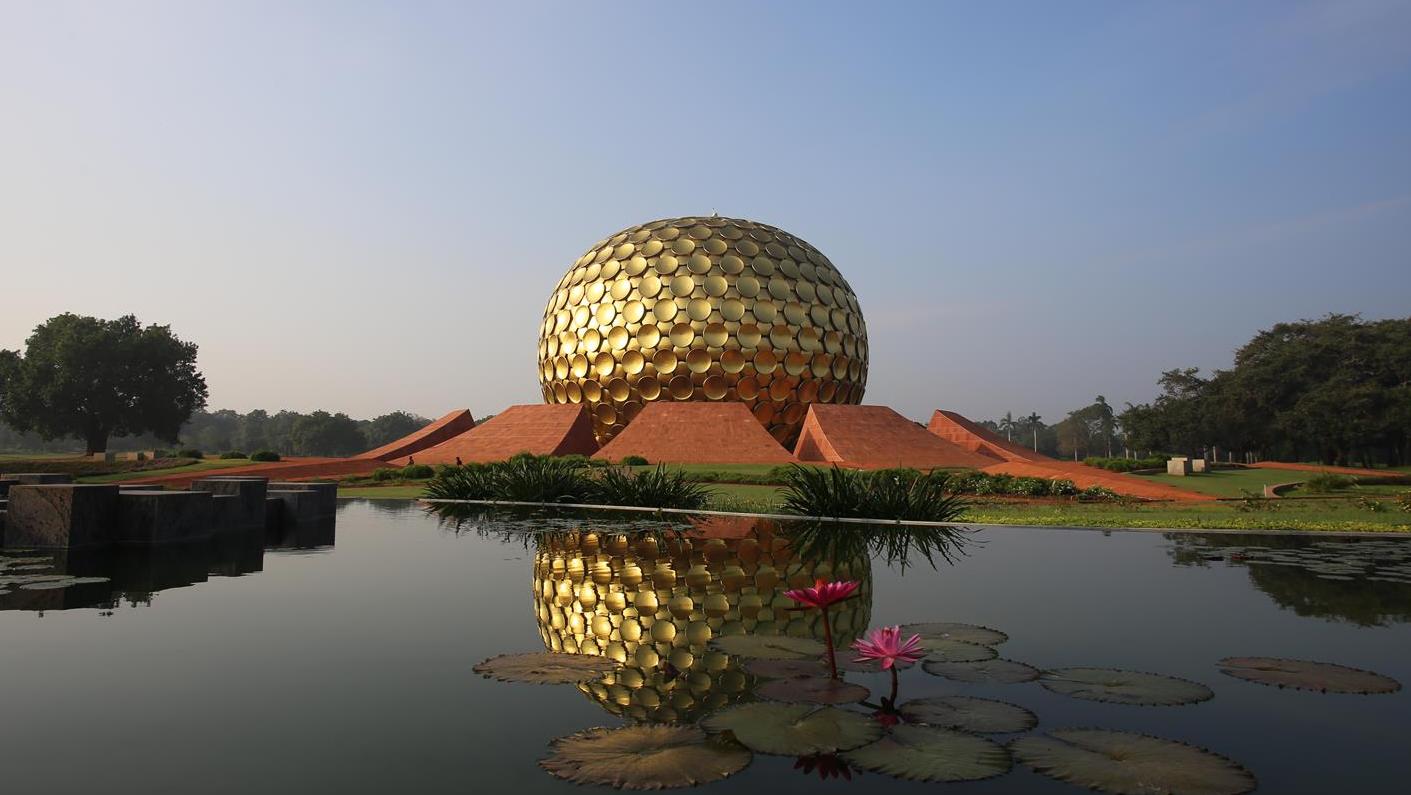
Puducherry, often affectionately called Pondicherry, is a unique tapestry of cultures, blending French colonial heritage with South Indian vibrancy. Nestled along the Coromandel Coast, it encompasses the former French enclaves of Puducherry, Karaikal, Mahe, and Yanam, each with a distinct character and history.


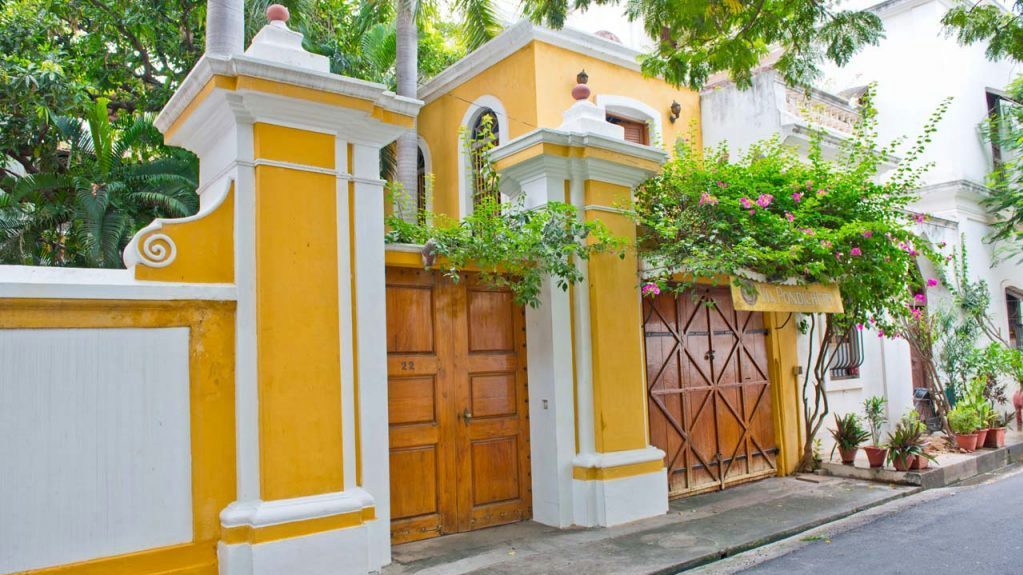
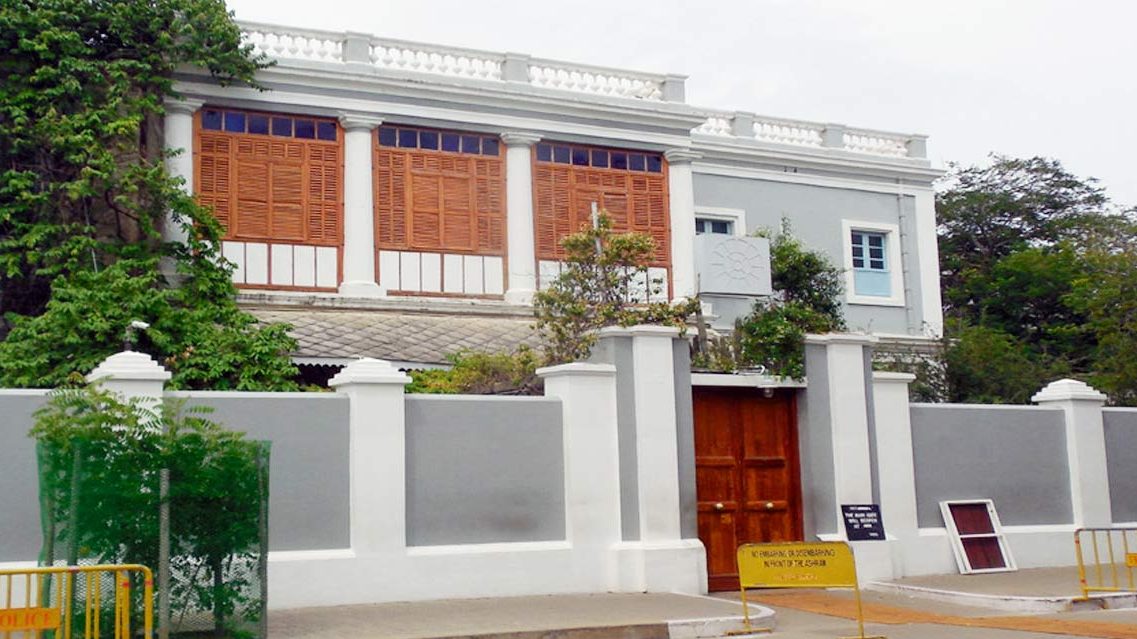
At its heart lies Puducherry, the capital, once the epicentre of French influence in India. Its streets are lined with remnants of a bygone era, featuring colonial mansions and tree-lined boulevards that evoke old-world charm. The city’s serene promenades along the Bay of Bengal offer a tranquil escape from the bustling modern world.


Karaikal, to the south, shares in this tranquillity its coastal beauty, which adds to the region’s allure. Meanwhile, Mahe, nestled amid the Western Ghats along the Malabar Coast, exudes a distinct charm, surrounded by lush greenery and rich in Kerala’s cultural heritage.


Yanam, situated further north along the East Godavari district, offers a glimpse into another facet of Puducherry’s diversity. Here, the influences of Andhra Pradesh mingle with remnants of French colonial architecture, creating a unique cultural tapestry.


Puducherry retains its French essence despite being a part of India for decades. This is evident in its architecture, street signs, and even the names of its public spaces. The city proudly wears monikers like ‘India’s Little France’ and ‘The French Riviera of the East’, a testament to its enduring connection to its colonial past.


Adding to this cultural mosaic are the Tamil residents who hold French passports, a legacy of their ancestors’ service to the French administration. Institutions like the French Consulate, cultural organisations, and veterans’ associations are reminders of this shared history.


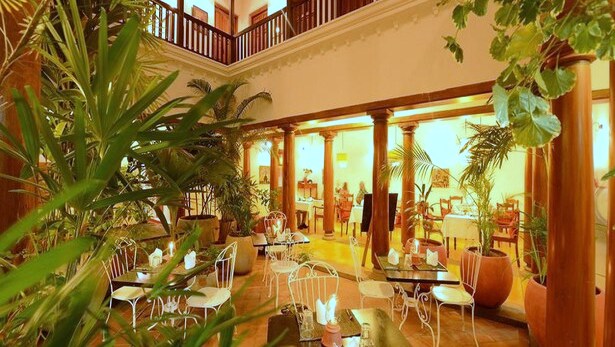
Central to Puducherry’s charm is its unique town planning, influenced by the bastide model of fortified French towns. This blend of Franco-Tamil architecture showcases the town’s rich heritage and skilful urban design, making it a delight for history enthusiasts and culture seekers to explore.


Puducherry stands as a living testament to the harmonious coexistence of diverse cultures, where the French colonial legacy seamlessly intertwines with the vibrant tapestry of South Indian traditions.